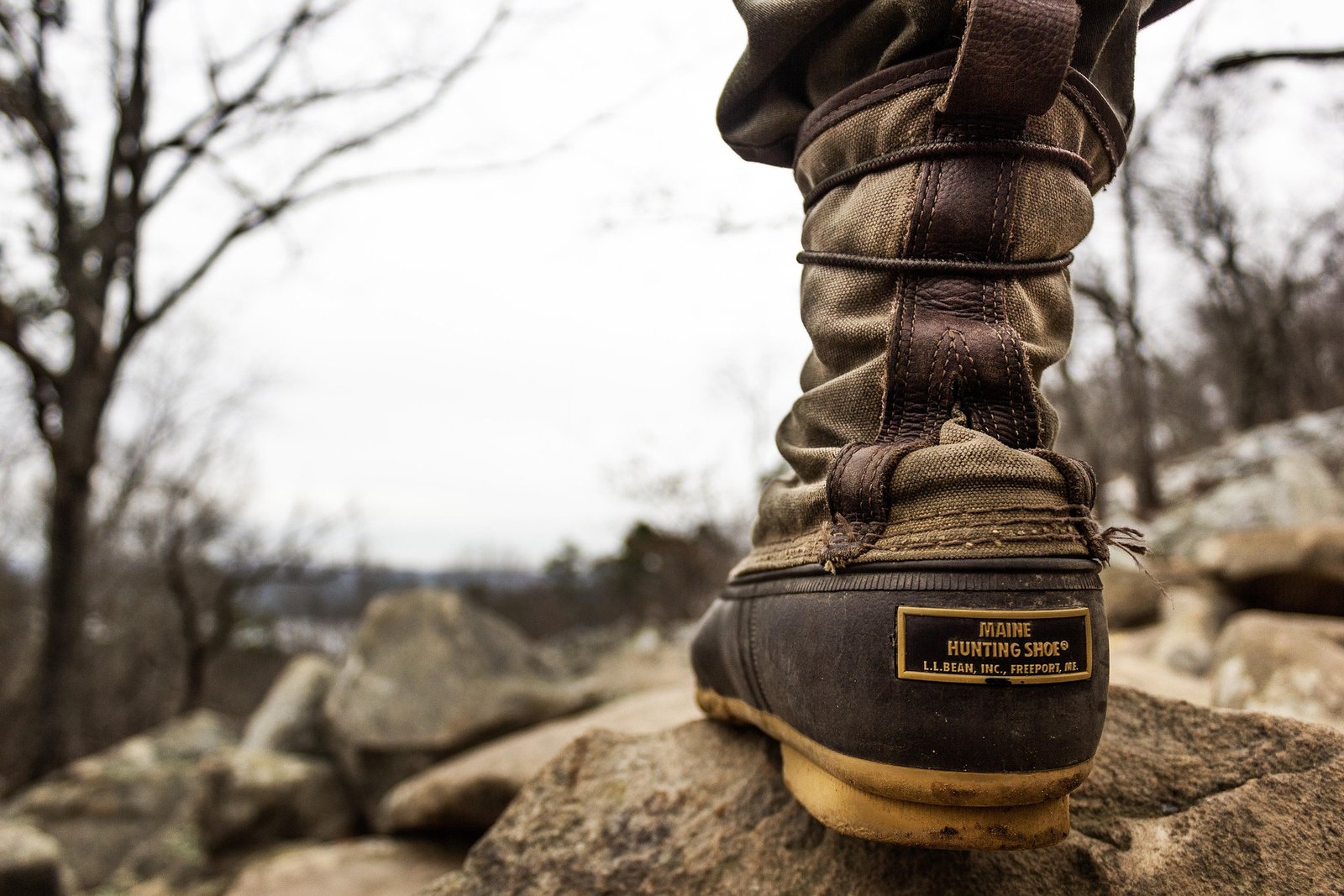
We’ve all been there: a few miles into a stunning hike, and your feet start to hurt. That little ache turns into a nagging pain, and suddenly, you’re not enjoying the trail anymore. An ill-fitting or wrong-for-the-job pair of hiking boots can turn a beautiful day into a miserable experience.
But it doesn’t have to be that way. Choosing the right hiking boots is arguably the most important decision you’ll make when it comes to gear. This guide will walk you through everything you need to know, helping you find the perfect pair that will keep you comfortable and happy on every trail.
1. Understand Your Hiking Needs
Before you even start looking at boots, you need to understand your own hiking style. Ask yourself these key questions to narrow down your options:
Activity Level:
Are you a casual day-hiker who sticks to paved or well-maintained trails? You can likely get by with a lightweight hiking shoe. Or are you planning multi-day backpacking trips with a heavy pack? You’ll need a more supportive, durable boot.
Terrain:
Think about the ground you’ll be covering most often. For rocky, uneven, or steep trails, you need boots with a stiffer sole and good ankle support. For flat, well-groomed paths, a more flexible, sneaker-like shoe will feel more comfortable.
Climate & Conditions:
Will you be hiking in hot, dry climates or cold, wet environments? A breathable boot with mesh panels is great for ventilation, while a waterproof boot with insulation is essential for keeping your feet dry and warm in snow or rain.
Pack Weight:
This is often overlooked. A heavy backpack puts a lot of stress on your body, and your boots need to provide adequate support and cushioning to handle the extra load. For a light day pack, you have more flexibility.
2. Anatomy of a Hiking Boot: Key Features to Consider
Once you know what you need, it’s time to understand what you’re looking for. A hiking boot is more than just a shoe; it’s a combination of specific features working together.
This is the main body of the boot.
This is the most durable, abrasion-resistant, and waterproof option. It’s perfect for heavy-duty backpacking but requires a significant break-in period.
These are a great balance of durability, breathability, and weight. They’re often lighter and require less break-in time, making them a popular choice for day hikers.
This is the cushioning between your foot and the outsole.
This is a foam that provides a soft, cushioned feel. It’s lightweight and a great choice for comfort, but it can compress over time.
This material is firmer and more durable. It’s heavier than EVA but holds up better under the stress of a heavy backpack, providing long-lasting support.
This is the part that makes contact with the ground. Look for:
For hiking in wet conditions, look for a boot with a waterproof membrane, with Gore-Tex being the most well-known. This material allows your feet to breathe while keeping moisture from the outside out.
3. The Fitting Process: How to Ensure the Perfect Fit
You can’t just try on a boot and call it a day. The fitting process is the most crucial step to prevent blisters and discomfort.
Your feet naturally swell throughout the day. Try on boots in the afternoon or evening to get the most accurate fit.
Always wear the type of socks you plan to hike in. The thickness of your socks will affect the fit of the boot.
Put on both boots and lace them up snugly. Your toes should not touch the end of the boot, and your heel should not lift up significantly when you walk. Walk around on an inclined surface to see how your foot feels on ascents and descents.
Take your time. Walk around the store for at least 15-20 minutes to get a true feel for the boots.
4. Common Mistakes to Avoid
Even with all this information, it’s easy to make a few common mistakes. Here’s what to watch out for:
Buying a pair that is too tight. Your feet will swell, so you need a little extra room for comfort. A good rule of thumb is to be able to fit a finger between your heel and the back of the boot.
Ignoring the importance of ankle support. If you’re hiking on uneven trails, ankle support is crucial for preventing sprains. Don’t go for a low-cut shoe just because it feels lighter.
Choosing based on price or brand name alone. A high price doesn’t always mean the boot is right for you. Focus on the fit and features that match your needs.
Skipping the break-in period. Don’t wear your new boots on a long hike right out of the box. Wear them around the house, on short walks, and on easy trails to let them mold to your feet.
Conclusion
Finding the perfect hiking boot isn’t about luck—it’s about approaching the decision with a thoughtful strategy. By now, you should feel equipped to navigate the overwhelming number of options on the market. We’ve covered the crucial steps, from honestly assessing your own hiking needs to understanding the anatomy of a boot and, most importantly, prioritizing the fitting process to guarantee comfort on the trail. Remember to always avoid common mistakes, like a rushed purchase or skipping the break-in period, to protect your feet and your investment.
Your gear should enhance your adventures, not hold you back. Now that you’re armed with the knowledge to make an informed choice, you’re ready to find your next pair of boots. Ready to take the next step? Check out our detailed reviews and in-depth comparisons to discover the perfect footwear that will carry you on every journey.