
Best Hiking Boots
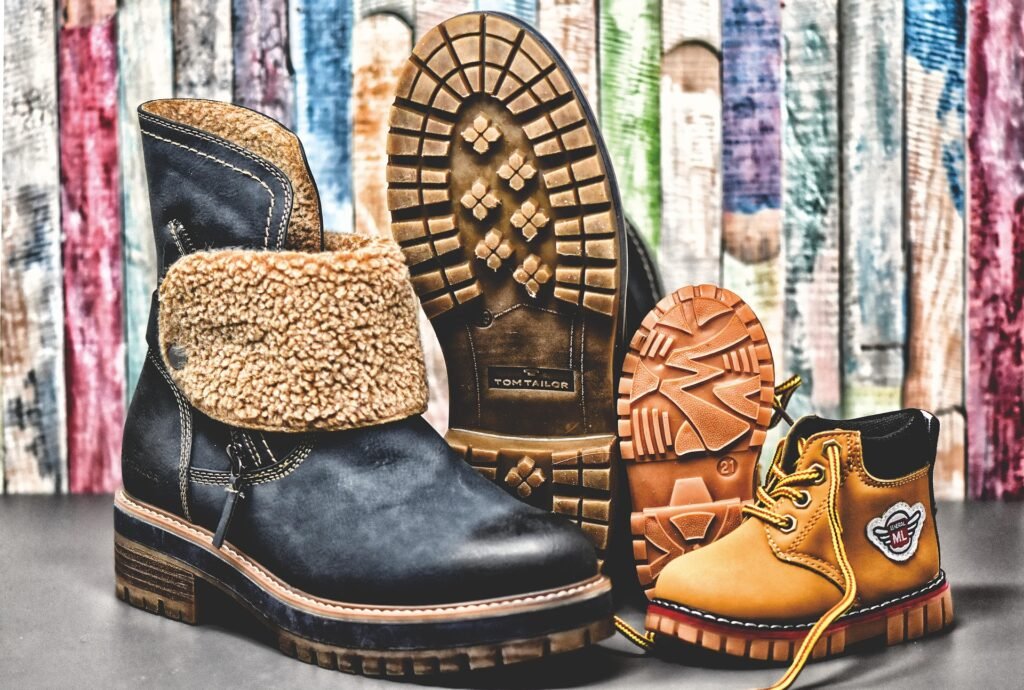
Before you even step foot on a trail, the journey truly begins with the gear you choose. And no piece of equipment is more fundamental to a great hike than your boots. They are the single most important barrier between you and the unpredictable, beautiful world underfoot. In the last few years, the hiking and trail footwear market has exploded, valued at a staggering $14.69 billion in 2024 and projected to grow to $27 billion by 2033. This growth is fueled by a growing appreciation for the outdoors and a rising demand for specialized gear that makes the experience safer and more comfortable. With so many options out there, from lightweight trail shoes to heavy-duty backpacking boots, finding the perfect pair can feel like a climb in itself. But don’t worry, we’ve done the heavy lifting for you. We’ve scoured the market, dug into manufacturer specs, and analyzed countless user reviews to bring you the definitive guide to the 10 best hiking boots on the market.
Contents
- 1 Our Top 10 The Best Hiking Boot
- 2 1. Merrell Moab 3 Mid GTX
- 3 Cons
- 4 Pros
- 5 2. Salomon X Ultra 4 Mid GTX
- 6 Cons
- 7 Pros
- 8 3. Oboz Bridger Mid B-Dry
- 9 Cons
- 10 Pros
- 11 4. Hoka Anacapa Mid GTX
- 12 Cons
- 13 Pros
- 14 5. Keen Targhee III Mid Waterproof
- 15 Cons
- 16 Pros
- 17 6. La Sportiva Nucleo High II GTX
- 18 Cons
- 19 Pros
- 20 7. Vasque Breeze LT Mid GTX
- 21 Cons
- 22 Pros
- 23 8. Scarpa Kailash Trek GTX
- 24 Cons
- 25 Pros
- 26 9. Lowa Renegade GTX Mid
- 27 Cons
- 28 Pros
- 29 10. Columbia Newton Ridge Plus II Suede
- 30 Cons
- 31 Pros
- 32 Hiking Boots Buyer's Guide: Finding Your Perfect Fit
Our Top 10 The Best Hiking Boot
We’ve selected a diverse range of boots to cover all hiking styles and terrains. For each model, we’ll provide a deep dive into its key features, what makes it stand out, and a clear list of pros and cons based on real-world use.
# | Product | Title | Rating | |
1 | 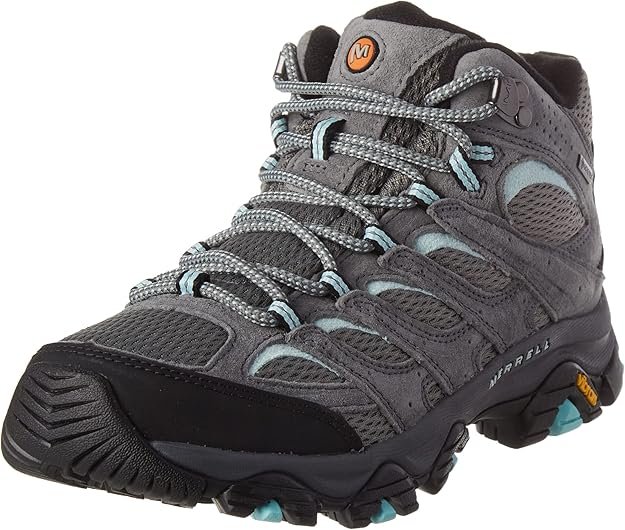 | 4.57/5 | ||
2 | 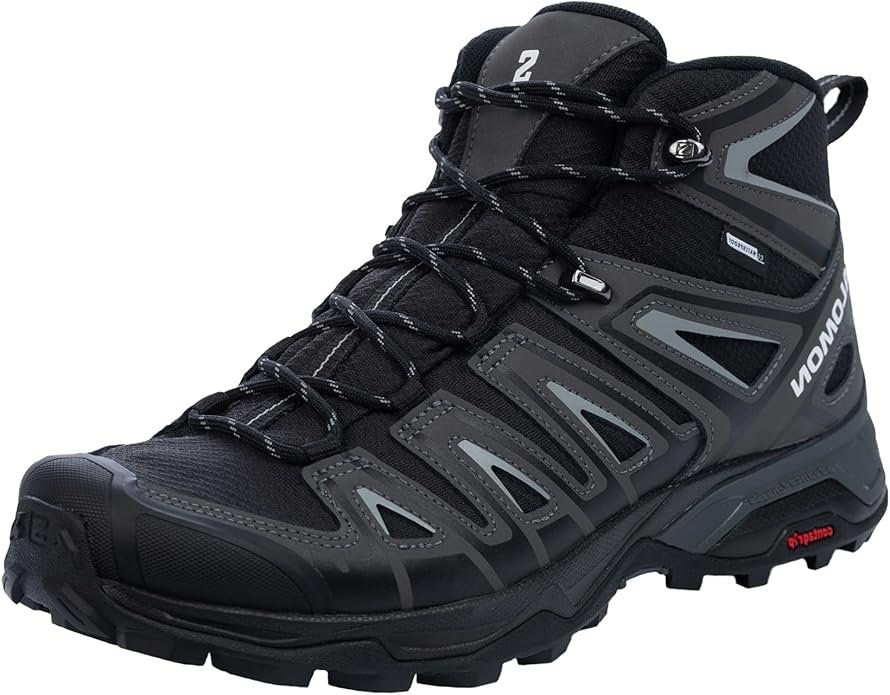 | 4.64/5 | ||
3 | 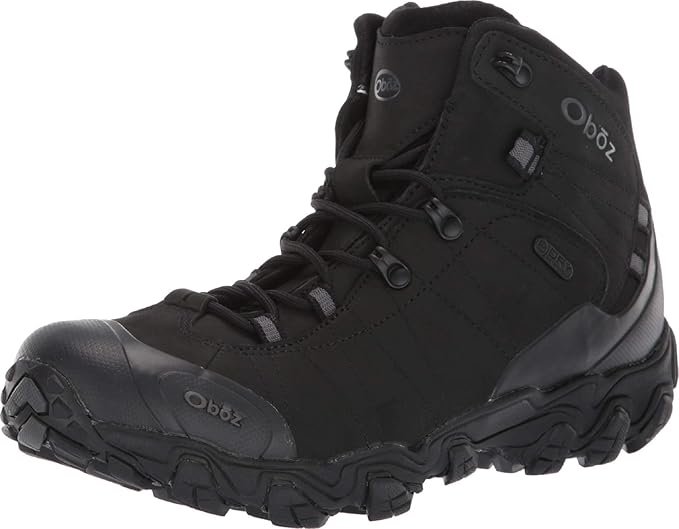 | 4.57/5 | ||
4 | 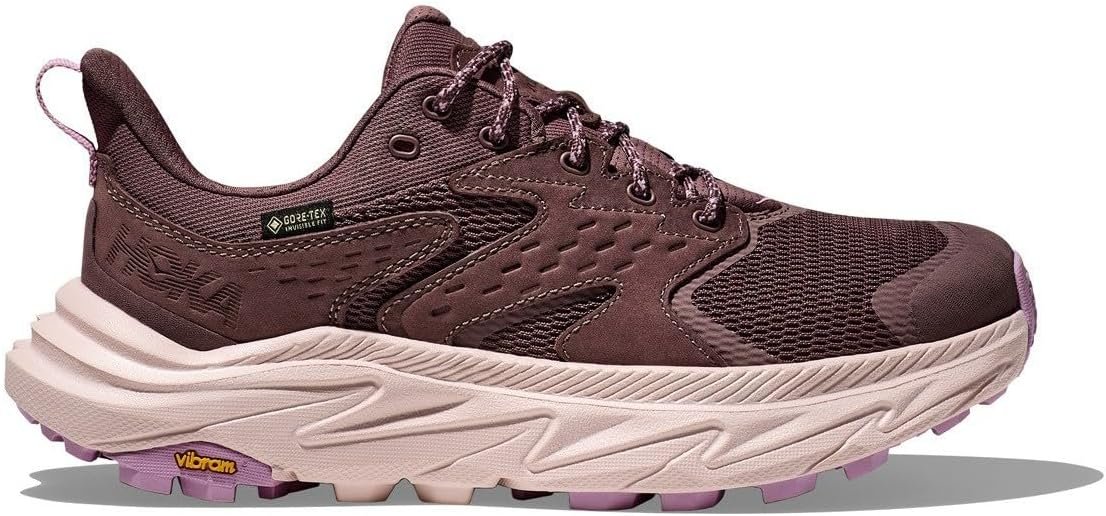 | 4.64/5 | ||
5 | 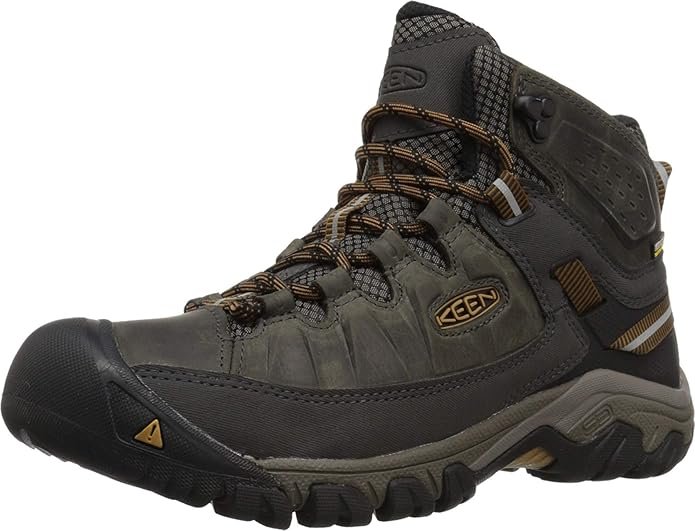 | 4.57/5 | ||
6 | 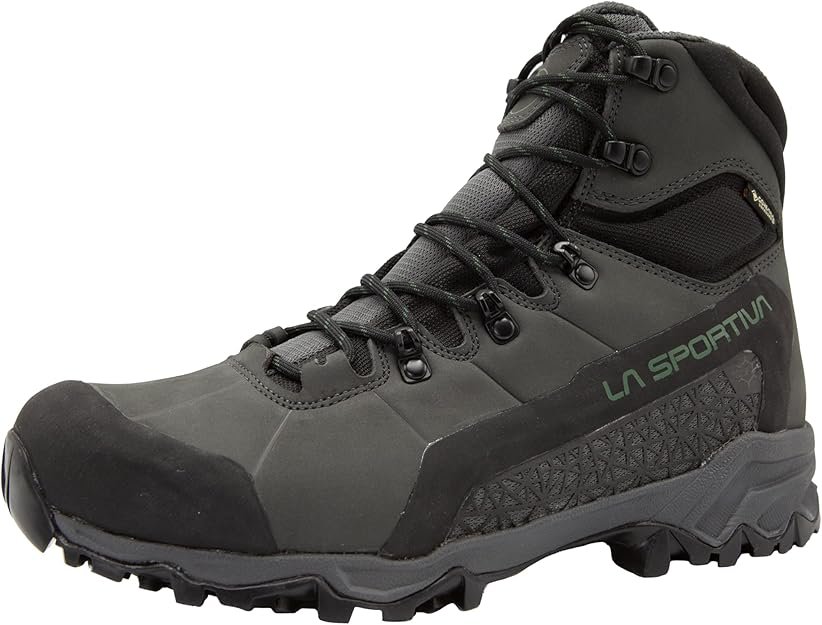 | 4.64/5 | ||
7 | 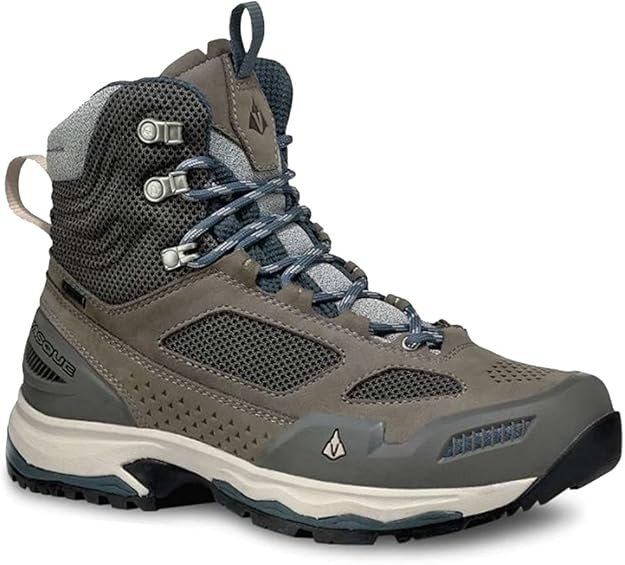 | 4.64/5 | ||
8 | 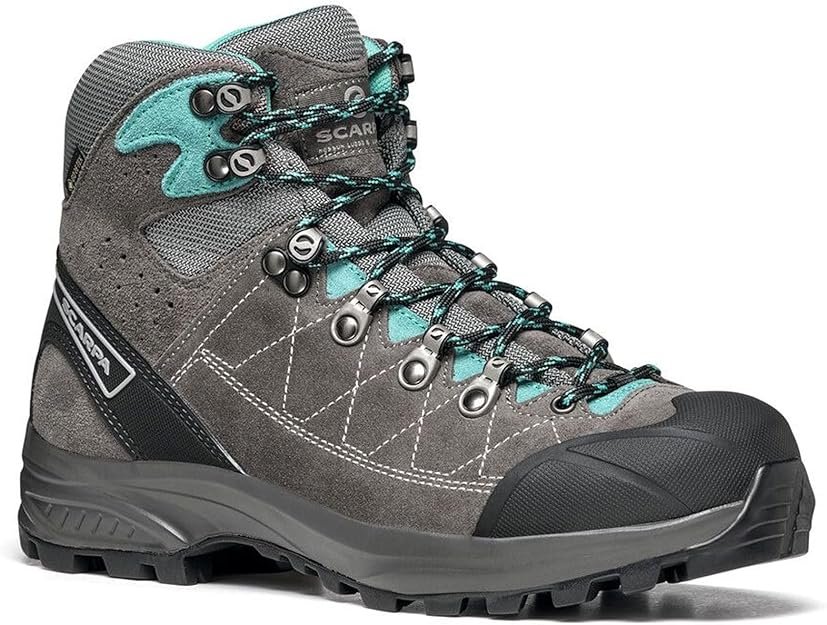 | 4.57/5 | ||
9 | 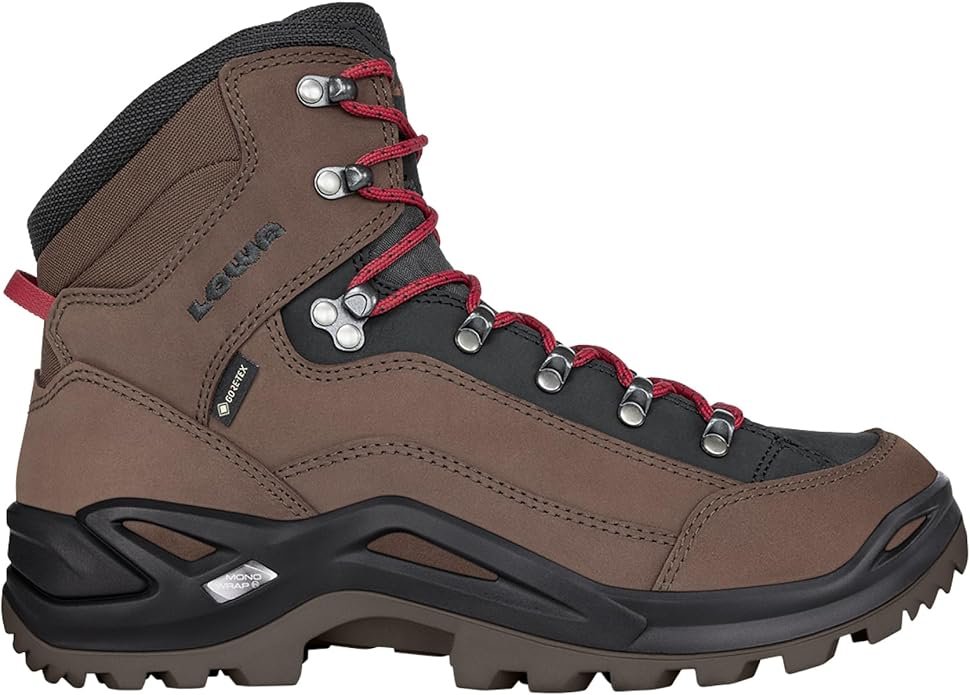 | 4.5/5 | ||
10 | 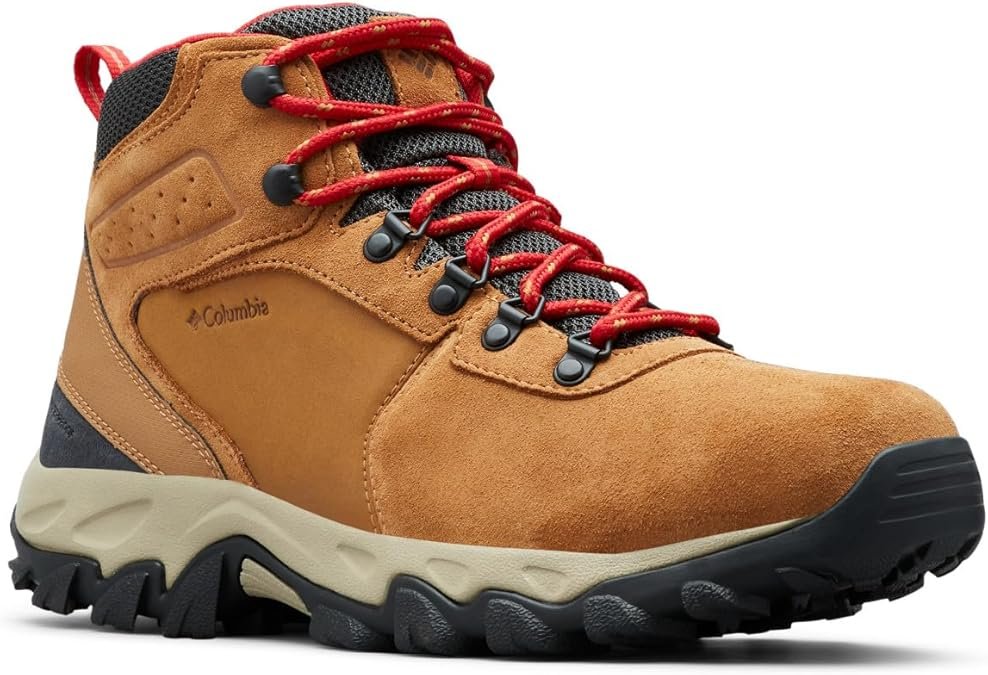 | 4.29/5 |
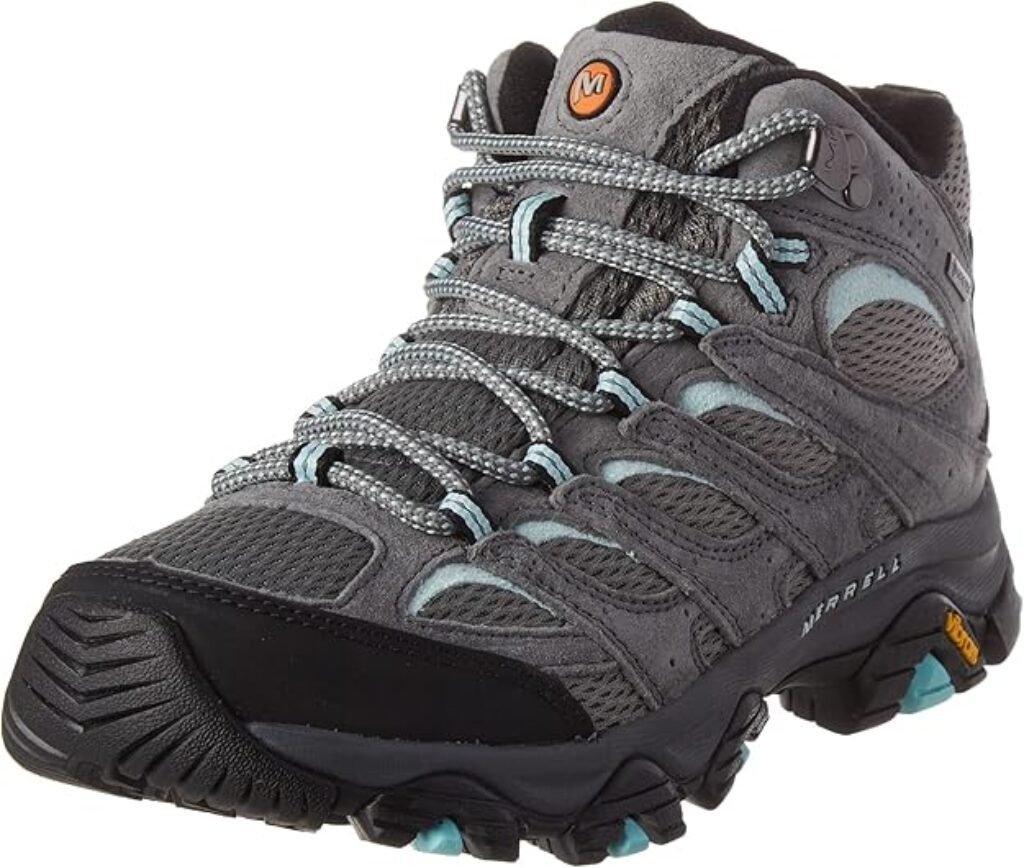
Often hailed as the “Mother Of All Boots,” the Merrell Moab has been a go-to for day hikers for years, and the third iteration continues that legacy with subtle but significant improvements. This boot strikes a perfect balance between a comfortable, sneaker-like feel and the rugged protection of a true hiking boot. The Moab 3 Mid GTX features a durable pigskin leather and mesh upper, a supportive Vibram TC5+ outsole with 5mm lugs for solid grip on various terrains, and an air cushion in the heel for excellent shock absorption. It’s a boot designed to be comfortable right out of the box, with a wide, accommodating fit and a plush, padded ankle collar that eliminates break-in time. The Gore-Tex waterproof membrane keeps feet dry, while the bellows tongue prevents debris from getting in. This is the ultimate all-rounder for anyone hitting the trails.
Cons
Pros
- Exceptional Out-of-the-Box Comfort: Requires virtually no break-in period.
- Versatile Performance: Perfect for day hikes and moderate trails.
- Excellent Traction: The Vibram outsole provides reliable grip on wet and dry surfaces.
- Accommodating Fit: A roomy toe box and wide forefoot cater to a variety of foot shapes.
- Low Ankle Cuff: While offering flexibility, it provides less ankle support than burlier boots.
- Warm in Hot Weather: The Gore-Tex lining, while waterproof, can make the boot run warm in high temperatures.
- Not for Technical Terrain: Lacks the rigidity and support needed for serious off-trail or backpacking trips.
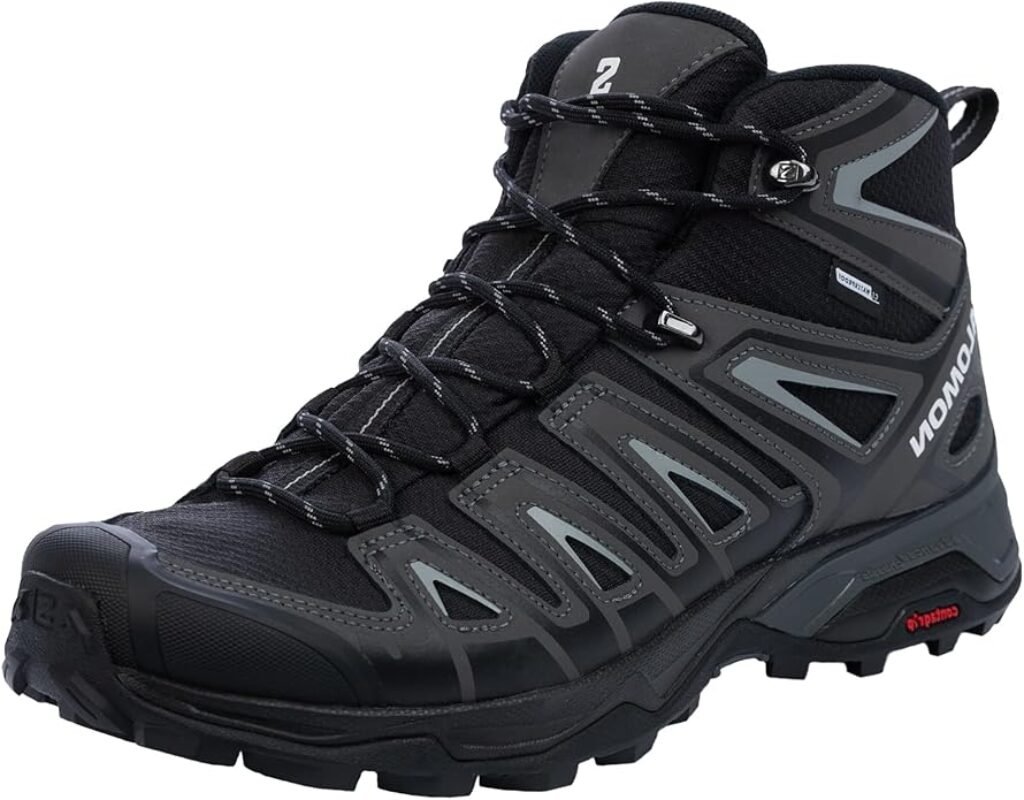
The Salomon X Ultra 4 Mid GTX is a modern classic that blurs the line between a hiking boot and a trail runner. It’s built for speed and agility, making it a favorite among hikers who prefer a lightweight, nimble feel. The boot features a new ADV-C Chassis that targets articulations on the outer foot to optimize stability without sacrificing mobility. Its Contagrip MA outsole with deep, multi-directional lugs provides reliable grip on everything from dusty trails to wet, rocky scrambles. The traditional lacing system allows for a customizable, secure fit, and the Gore-Tex membrane ensures your feet stay dry. The X Ultra 4 is a great choice for long-distance day hikes and light backpacking trips where every ounce counts.
Cons
Pros
- Extremely Lightweight: Feels more like a sneaker than a traditional hiking boot.
- Agile and Flexible: Allows for a natural foot feel and excellent ground contact.
- Superior Traction: The Contagrip outsole is one of the best on the market for diverse terrain.
- Secure Fit: The lacing system and chassis provide a locked-in feel and good ankle stability.
- Less Cushioning: The midsole is stiffer than some competitors, which might not be ideal for those seeking a plush ride.
- Not as Durable: The lightweight construction and flexible materials may show wear sooner than a full-leather boot.
- Narrow Fit: The standard size can be too narrow for hikers with wider feet.
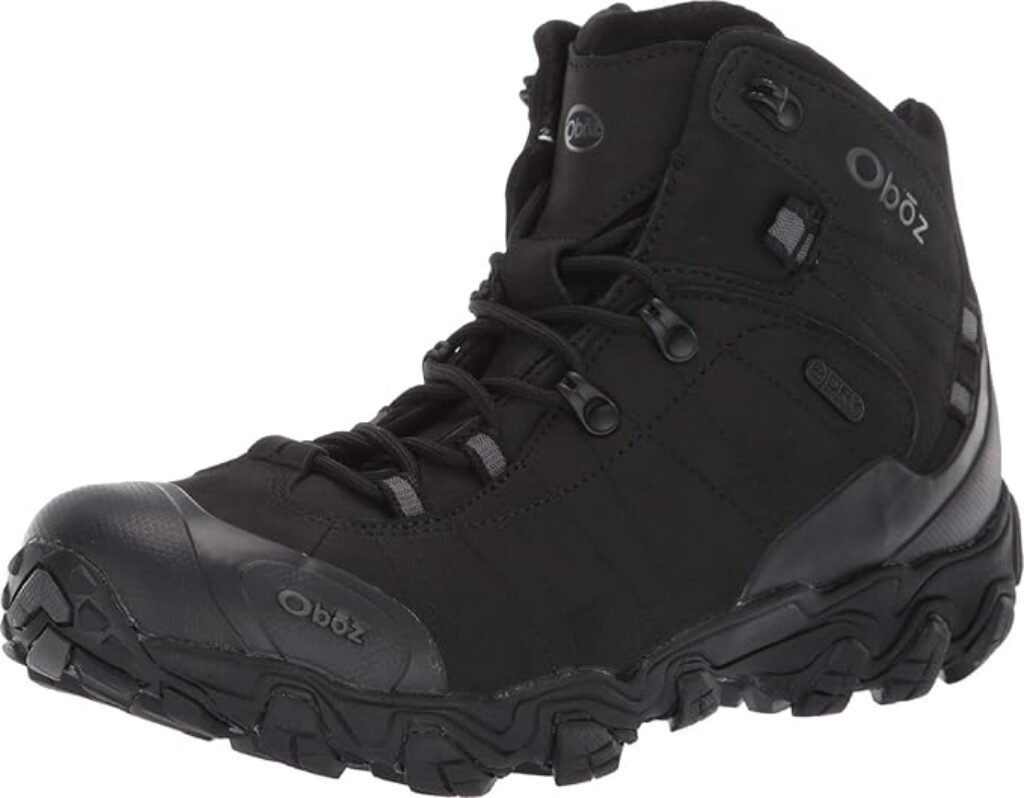
Oboz (short for “Out of Bozeman”) is known for its uncompromising commitment to fit and support, and the Bridger Mid B-Dry is the perfect example. This is a classic leather hiking boot that offers bombproof durability and a comfortable, supportive ride. Its standout feature is the O-FIT Insole, an anatomically sculpted footbed that provides superior arch support and a hugging heel cup right out of the box. The Granite Peak outsole features a TPU chassis that prevents stone bruising and provides excellent torsional stability. The B-Dry waterproof membrane effectively keeps water out while maintaining breathability. The Bridger Mid is a workhorse boot, ready for multi-day backpacking trips and rough, rocky trails.
Cons
Pros
- Excellent Support: The O-FIT insole and TPU chassis provide exceptional stability and arch support.
- Durable Construction: A sturdy leather upper and rugged design are built to last.
- Minimal Break-in: The boot is surprisingly comfortable from the start despite its robust build.
- Great Ankle Protection: The mid-cut design and firm ankle collar offer reliable support on uneven terrain.
- Can Be Heavy: It’s a mid-weight boot, which may feel cumbersome on long, fast-paced hikes.
- Laces Can Fray: Some users have reported that the stock laces are not as durable as the boot itself.
- Stiff Design: The focus on stability means it lacks the flexibility of more agile boots.
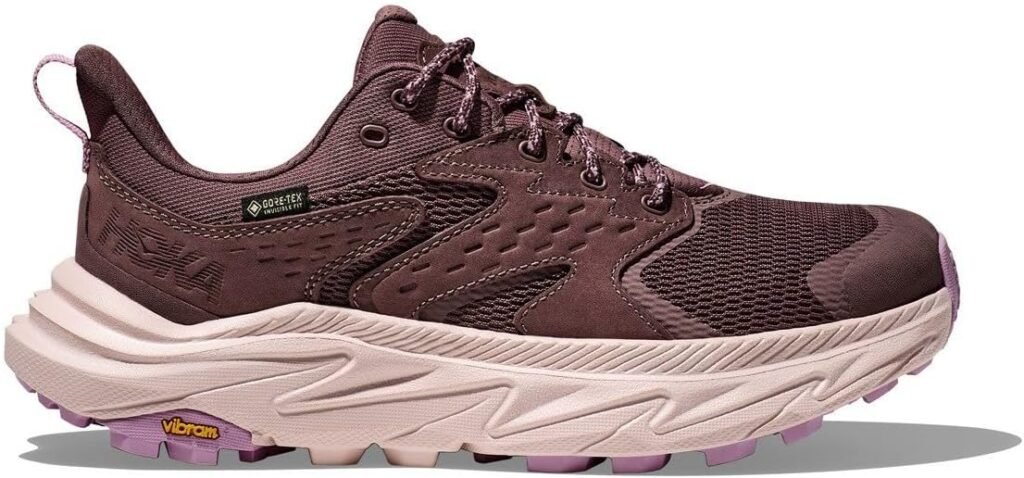
Hoka is famous for its max-cushioned running shoes, and the Anacapa Mid GTX brings that cloud-like comfort to the hiking world. This boot is all about a plush, forgiving ride that minimizes foot fatigue on long miles. The oversized EVA foam midsole is the star of the show, absorbing impact and providing a smooth, rockered ride that propels you forward. A Gore-Tex membrane provides waterproofing, while a Vibram Megagrip outsole with 5mm lugs ensures solid traction. The Anacapa is perfect for hikers who suffer from joint pain or prefer a soft, easy-going feel on well-maintained trails and light backpacking trips.
Cons
Pros
- Unmatched Cushioning: The thick, responsive midsole provides incredible shock absorption and comfort.
- Lightweight for its Size: The boot feels surprisingly light despite its bulky appearance.
- Excellent Traction: The Vibram Megagrip outsole offers confident grip on various surfaces.
- Sustainable Components: Hoka uses recycled materials in its construction, which is a nice bonus.
- Lack of Ground Feel: The thick midsole and rocker design can feel disconnected from the trail.
- Not for Technical Trails: The bulky design can get caught on rocks and lacks the precision needed for scrambling.
- Durability Concerns: The large amount of exposed foam can be susceptible to wear and tear over time.
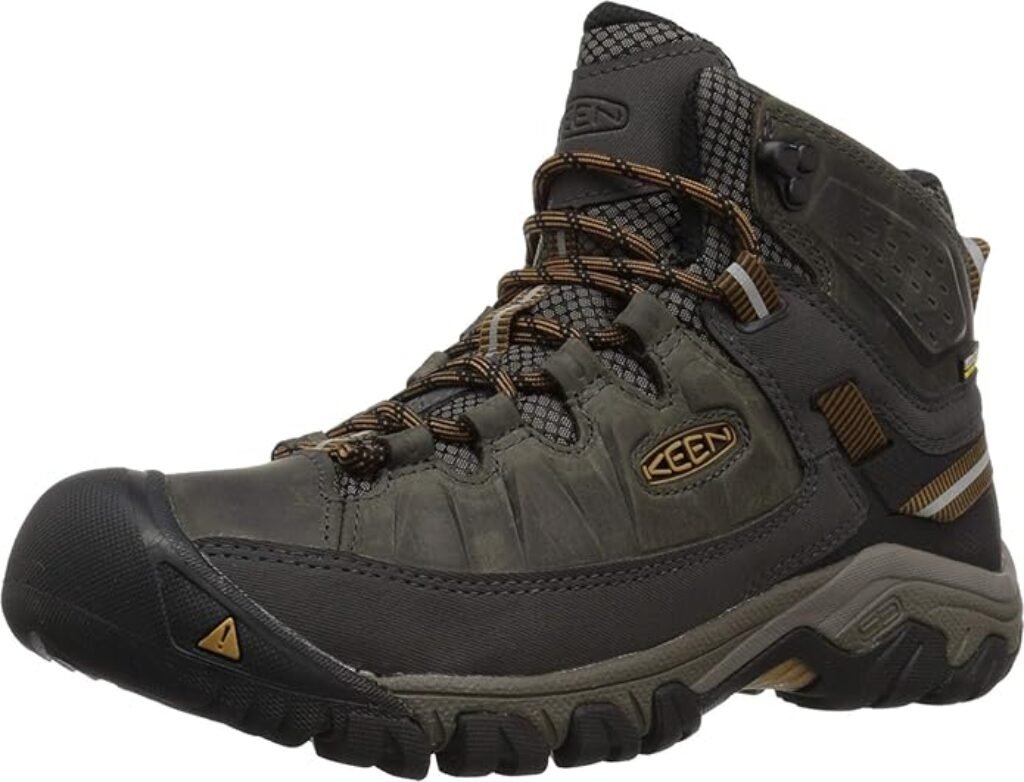
The Keen Targhee III Mid is a well-loved hiking boot known for its signature roomy toe box and out-of-the-box comfort. It’s a workhorse for day hikes and light trails, offering a blend of flexibility and stability at an affordable price. The boot features a leather and performance mesh upper, a KEEN.DRY waterproof membrane, and a dual-density EVA midsole for cushioning. The multi-directional lug pattern on the outsole provides good grip on dirt and loose terrain. The Targhee III is a fantastic entry-level option and a reliable choice for casual hikers who value comfort above all else.
Cons
Pros
- Roomy Toe Box: The wide forefoot allows toes to splay, which prevents blisters and hot spots.
- Out-of-the-Box Comfort: Requires minimal, if any, break-in time.
- Affordable Price Point: Offers a great blend of features and performance for the price.
- Versatile: Suitable for a wide range of day hikes and casual trail use.
- Middling Performance on Technical Terrain: The outsole and midsole can struggle with grip and support on steep, rocky surfaces.
- Lower Ankle Support: The ankle cuff is less rigid than other boots, offering less support on uneven ground.
- Clunky Feel: The wide design can feel less precise and agile compared to more streamlined boots.
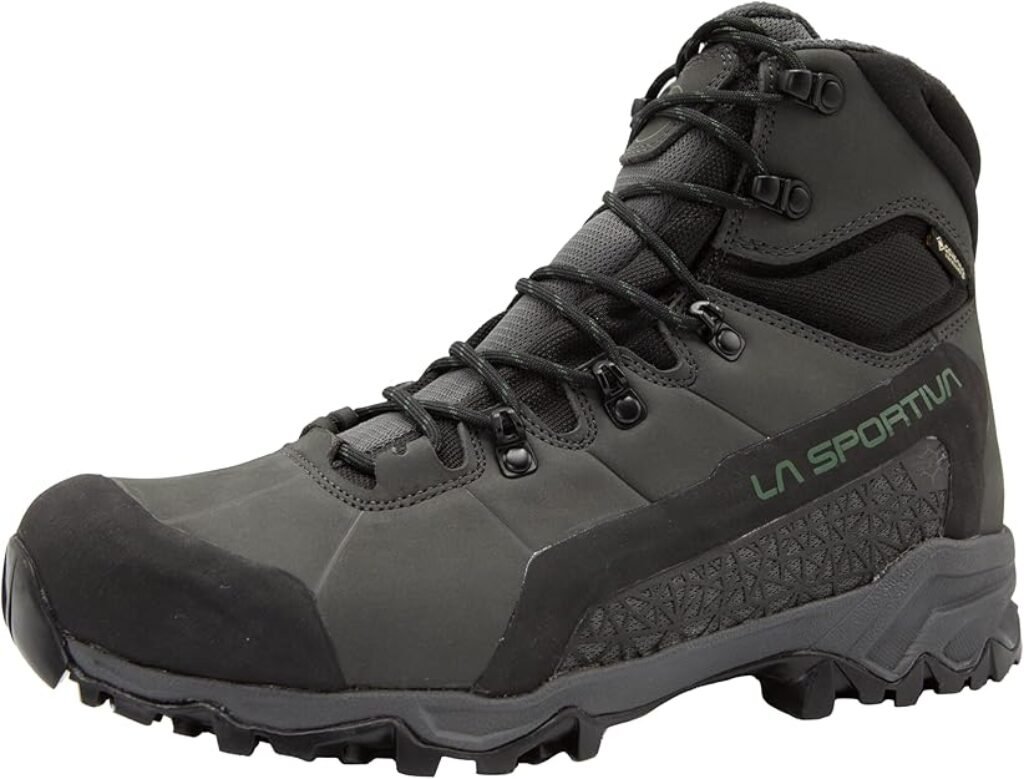
The La Sportiva Nucleo High II GTX is a lightweight, technical backpacking boot designed for rugged, mountainous terrain. It’s a hybrid of leather and a durable textile, offering a unique blend of protection, breathability, and flexibility. The boot uses Gore-Tex Surround technology, which allows water vapor to escape from all sides, including underfoot, making it exceptionally breathable. A Vibram Nano outsole with an Impact Brake System provides incredible grip and braking power on ascents and descents. This boot is built for serious hikers who need a precise, supportive fit for demanding trails.
Cons
Pros
- Exceptional Breathability: The Gore-Tex Surround technology keeps feet dry and comfortable in warm conditions.
- Technical Performance: Built for steep, rocky, and off-trail terrain.
- Superior Traction: The Vibram outsole is renowned for its grip on tricky surfaces.
- High Ankle Support: The taller ankle collar provides more protection than a typical mid-cut boot.
- Requires Break-in: The boot’s stiffness means it needs some time to become truly comfortable.
- Narrow Fit: The standard version is quite narrow and may not be suitable for wider feet, even with wide sizes available.
- Very Expensive: This is a premium boot with a price tag to match.
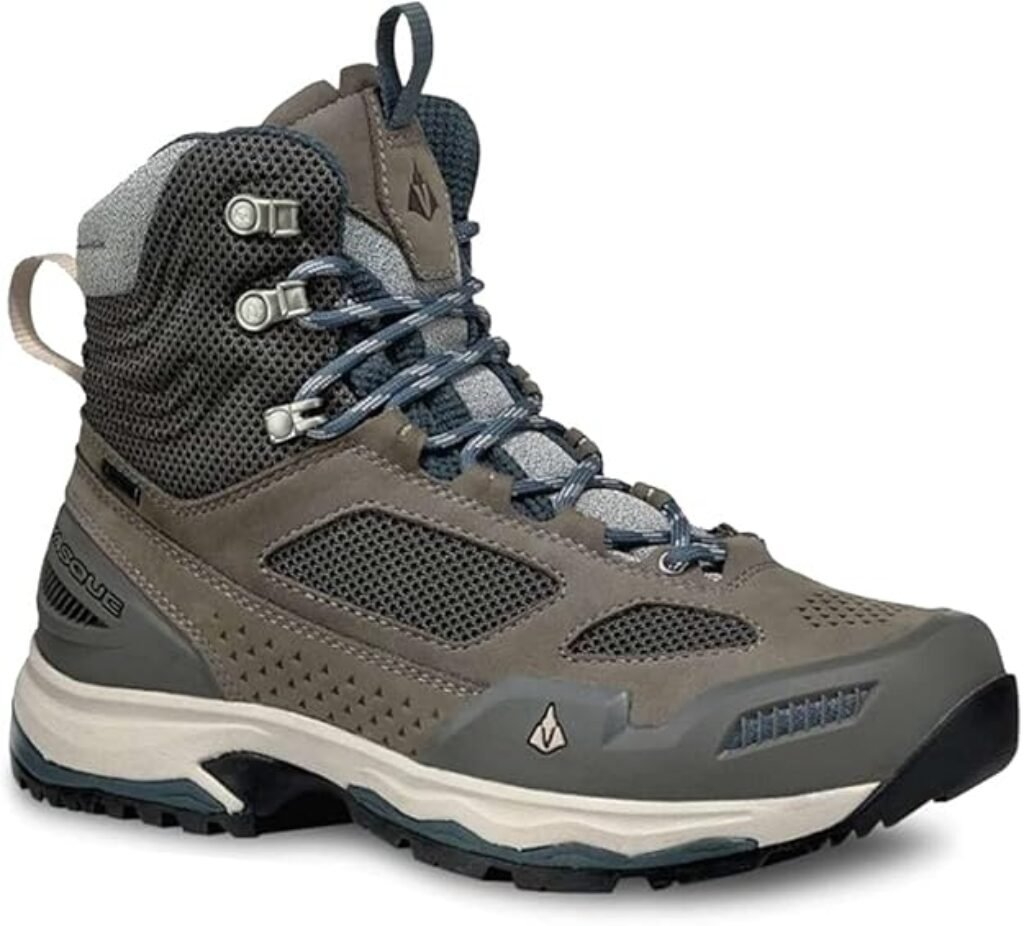
The Vasque Breeze LT Mid GTX is an incredibly lightweight and nimble boot that prioritizes a minimalist feel without sacrificing protection. It’s for the fast-and-light hiker who wants the support of a boot but the weight of a trail runner. The boot features a mesh and synthetic upper, a Gore-Tex waterproof membrane, and a Vibram Megagrip outsole. The thin, yet protective, EVA foam midsole provides just enough cushioning for long-distance efforts while still offering excellent ground feel. This is a great choice for hikers who want to move quickly and don’t need a heavy, clunky boot.
Cons
Pros
- Feather-Light Weight: One of the lightest hiking boots on the market.
- Nimble and Agile: Its lightweight design makes it feel responsive and quick on the trail.
- Excellent Traction: The Vibram Megagrip outsole provides reliable grip.
- Supportive for its Weight: Provides surprising stability and protection for its minimalist design.
- Questionable Durability: The lightweight materials and stitching may wear out faster than more robust boots.
- Minimalist Cushioning: Not ideal for hikers who need a lot of underfoot padding.
- Narrow Fit: The heel and midfoot can feel a bit tight for some users.
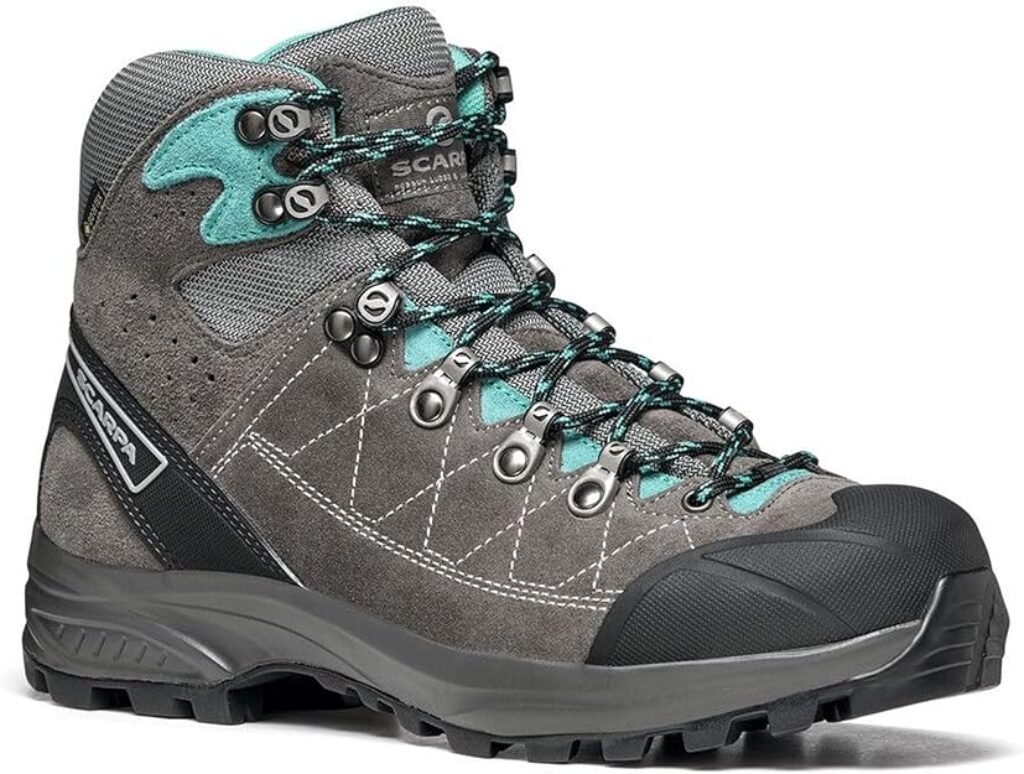
The Scarpa Kailash Trek GTX is a classic, durable leather hiking boot that prioritizes protection and comfort for long-distance treks and backpacking trips. This boot is built to last, with a robust suede leather upper and a supportive construction. It features a Gore-Tex Performance Comfort lining for reliable waterproofing and breathability. Underfoot, a sturdy Vibram Biometric outsole provides excellent traction and stability on rugged terrain. The Kailash Trek is for the traditional hiker who wants a reliable, long-lasting boot that can handle heavy loads and rough trails.
Cons
Pros
- Bombproof Durability: The sturdy leather upper is built to withstand years of abuse.
- Reliable Waterproofing: The Gore-Tex membrane keeps feet dry in all conditions.
- Great Traction: The Vibram outsole provides confident footing on varied terrain.
- Good Ankle Support: The solid construction and lacing system lock the ankle in place.
- Requires Break-in: The stiff leather upper needs time to soften and mold to your foot.
- Heavy: It’s a heavy boot, which can be fatiguing on long, high-mileage days.
- Can Run Warm: The full leather construction and waterproof membrane can trap heat in warmer weather.
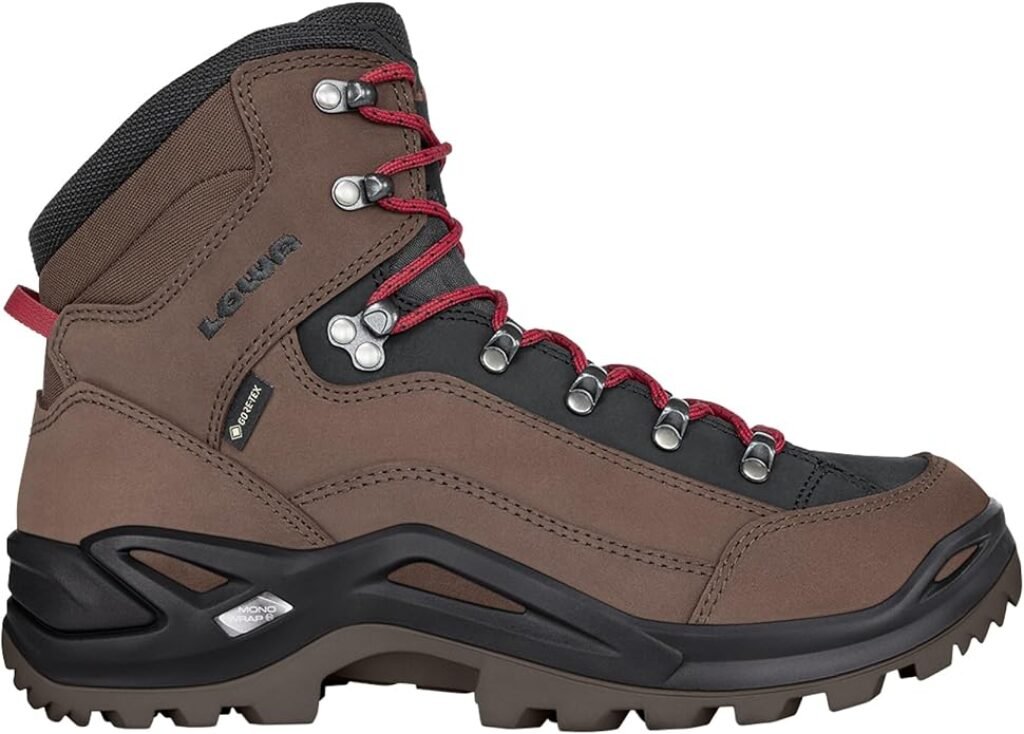
The Lowa Renegade GTX Mid is a legendary hiking boot known for its exceptional out-of-the-box comfort and versatility. It’s often called the “jack-of-all-trades” because it excels at everything from day hikes to moderate backpacking trips. The boot features a durable nubuck leather upper, a Gore-Tex lining for waterproofing, and Lowa’s proprietary Monowrap frame technology for enhanced stability and support. The Vibram Evo Trac outsole provides reliable grip on a variety of surfaces. The Renegade is a great choice for hikers who want one boot that can handle most trail conditions with a high degree of comfort and reliability.
Cons
Pros
- Legendary Comfort: Known for its immediate, blister-free comfort and excellent fit.
- Versatile Performance: Suitable for day hikes, light backpacking, and everything in between.
- Excellent Stability: The Monowrap frame provides a supportive and protective platform.
- Durable and Long-Lasting: The quality materials and construction ensure longevity.
- Mid-Weight: While not the heaviest, it’s not the best choice for fast-and-light hikers.
- Pricey: This is a premium boot with a high price tag.
- Too Many Seams: The many seams in the construction can be potential weak points for wear and tear.
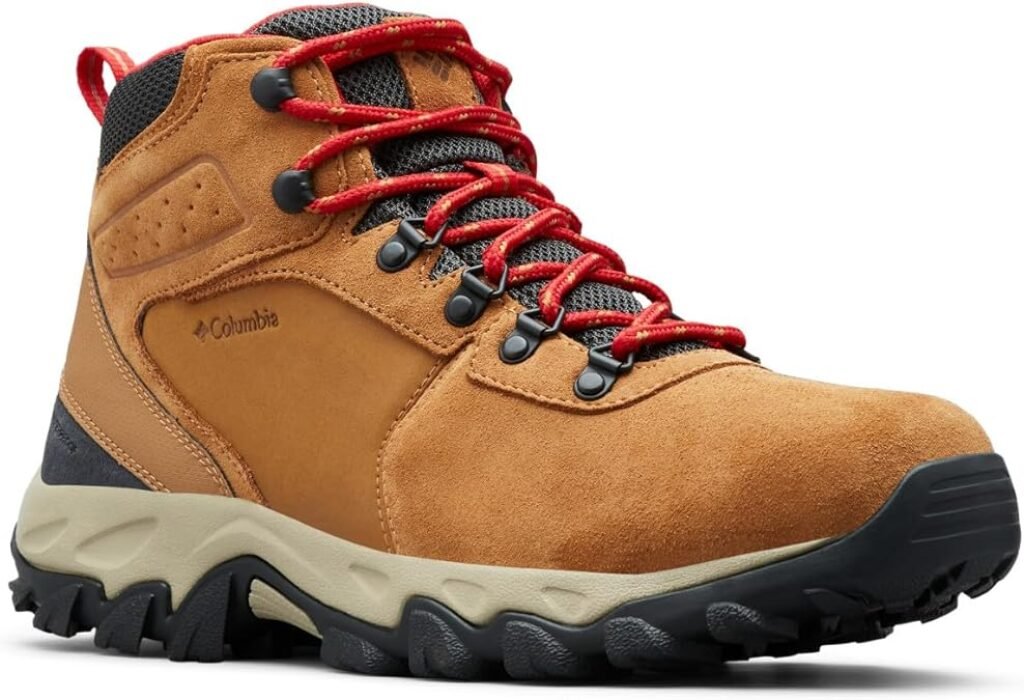
For the budget-conscious hiker or someone just starting out, the Columbia Newton Ridge Plus II Suede offers an incredible value. This boot proves that you don’t have to spend a fortune to get a comfortable and reliable hiking experience. It features a suede leather and mesh upper with Omni-Tech waterproofing. The Techlite midsole provides lightweight cushioning and a decent energy return, while the Omni-Grip rubber outsole offers solid traction on a variety of surfaces. This boot is a solid entry-level option for casual day hikes on well-established trails.
Cons
Pros
- Extremely Affordable: One of the best budget-friendly options on the market.
- Good Ankle Support: Provides surprisingly strong ankle support for a boot in its price range.
- Out-of-the-Box Comfort: Requires little to no break-in period.
- Lightweight: Its construction makes it feel light and nimble on the trail.
- Limited Durability: Not built for long-term, heavy-duty use. The materials may show wear quickly.
- Weak Waterproofing: The Omni-Tech waterproofing is not as effective as Gore-Tex for serious downpours or stream crossings.
- Middling Traction: The outsole performs well on easy trails but struggles on more technical, wet, or muddy terrain.
Hiking Boots Buyer's Guide: Finding Your Perfect Fit
With so many boots on the market, it’s easy to get overwhelmed. But at its core, finding the right hiking boot comes down to a few key considerations. Here’s a summary of the most important factors to keep in mind, and how the different boots we reviewed stack up.
1. Match Your Boot to Your Usage
The most critical question you can ask yourself is: what kind of hiking will you be doing?
- Day Hiking: If you’re a casual hiker sticking to well-maintained trails with a light daypack, a lightweight, flexible boot like the Merrell Moab or Keen Targhee is perfect. They offer great comfort and require no break-in.
- Long-Distance & Backpacking: For multi-day trips with a heavy pack, you’ll need a more rigid, supportive boot. The Oboz Bridger and Scarpa Kailash are built for this kind of work, providing superior stability and durability.
- Fast-and-Light Hiking: If you prefer to move quickly and want a boot that feels like a sneaker, the Salomon X Ultra or Vasque Breeze LT are your best bet. They offer a great blend of agility and protection.
- Technical & Mountainous Terrain: When you’re tackling rocky, steep, or off-trail routes, a technical boot with a stiff sole and high ankle support is essential. The La Sportiva Nucleo High II GTX is a top choice for this kind of demanding use.
2. The Four Pillars of Boot Construction
Understanding the main components of a hiking boot will help you make a more informed decision.
- Upper: This is the part of the boot that wraps around your foot. Uppers are typically made from leather, synthetics, or a combination of both. Full-grain leather (like on the Scarpa Kailash) is highly durable but requires a break-in period. Synthetics (on the Salomon X Ultra and Vasque Breeze LT) are lighter and more flexible but may be less durable.
- Midsole: Located between the outsole and insole, the midsole provides cushioning and shock absorption. Boots like the Hoka Anacapa have a thick, plush midsole for maximum comfort, while more technical boots like the La Sportiva have a firmer midsole for stability and ground feel.
- Outsole: This is the bottom of the boot that makes contact with the ground. A good outsole, like those made by Vibram, has deep, multi-directional lugs for superior traction. The tread pattern should match the terrain you’ll be on; boots for mud have widely spaced lugs, while those for rocky trails have a tighter pattern.
- Liner: A waterproof liner, most commonly Gore-Tex, is a must-have for wet conditions. While it keeps water out, it can also reduce breathability. If you primarily hike in hot, dry climates, a non-waterproof boot might be a better choice to prevent sweaty feet.
3. Sizing, Fit, and Comfort
This is arguably the most important factor. No matter how good the boot is, if it doesn’t fit, it’s useless.
- Try Before You Buy (If Possible): Always try on boots with the socks you plan to hike in.
- Length: Make sure you have at least a thumb’s width of space between your longest toe and the end of the boot when your foot is pushed back into the heel cup.
- Width: The boot should feel snug but not tight. Your foot should not slide side-to-side inside the boot. Keen is known for its wide toe box, while La Sportiva tends to be narrower.
- Heel Lock: Walk around and up a slope to ensure your heel doesn’t lift inside the boot. Heel lift is a major cause of blisters. Boots with a secure lacing system and a well-defined heel cup, like the Oboz Bridger, are excellent for this.
Ultimately, the best hiking boot for you is the one that fits your foot, matches your hiking style, and provides the comfort and protection you need for the trail ahead.